EN
EN FR
FR ES
ES AR
AR RU
RUA global manufacturing supplier specializing in comprehensive solutions for food processing projects

产品
A global manufacturing supplier specializing in comprehensive solutions for food processing projects
+86 0536 6063 199
+86 159 0802 8316
山东省潍坊市诸城市高新技术产业园场站路中段路北777号
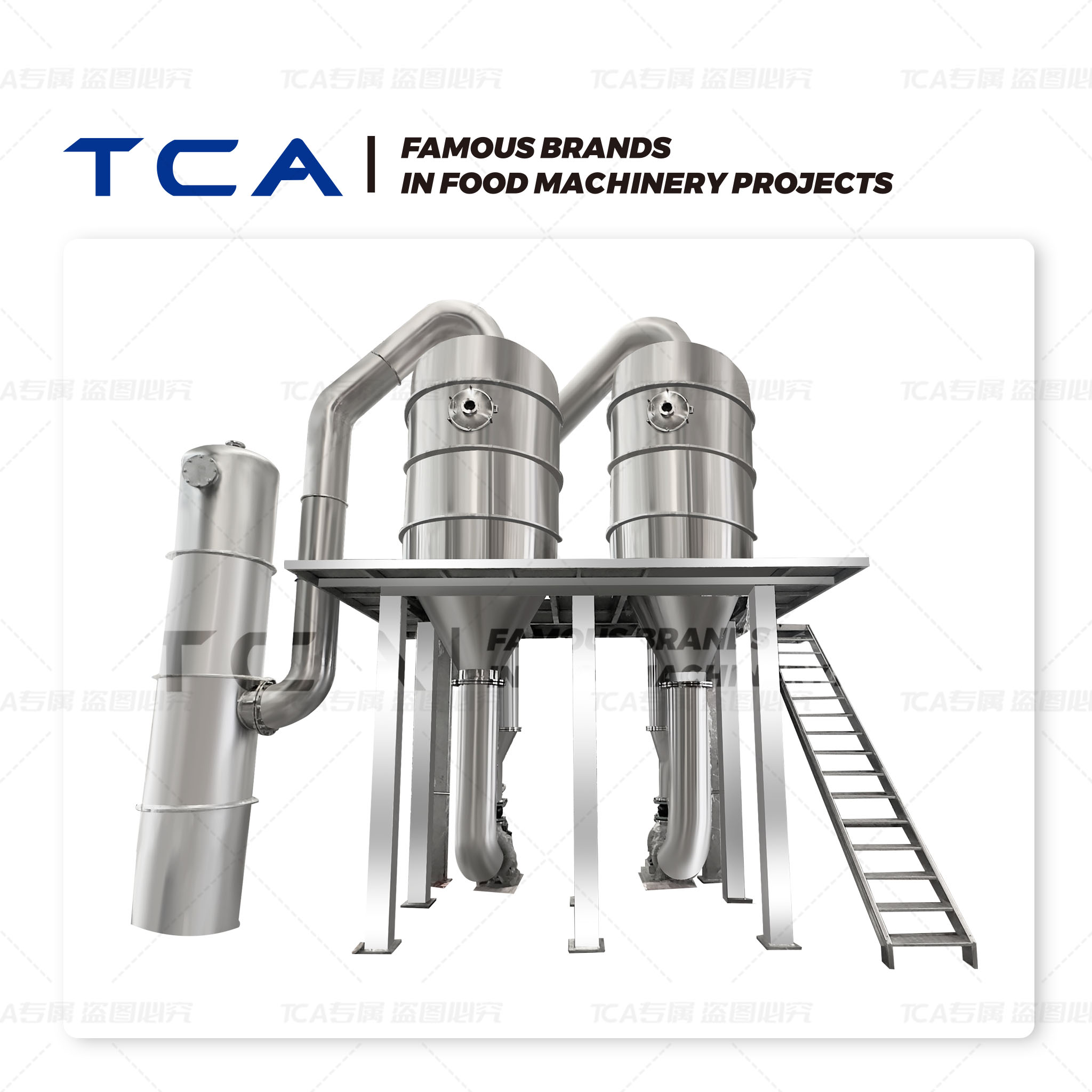
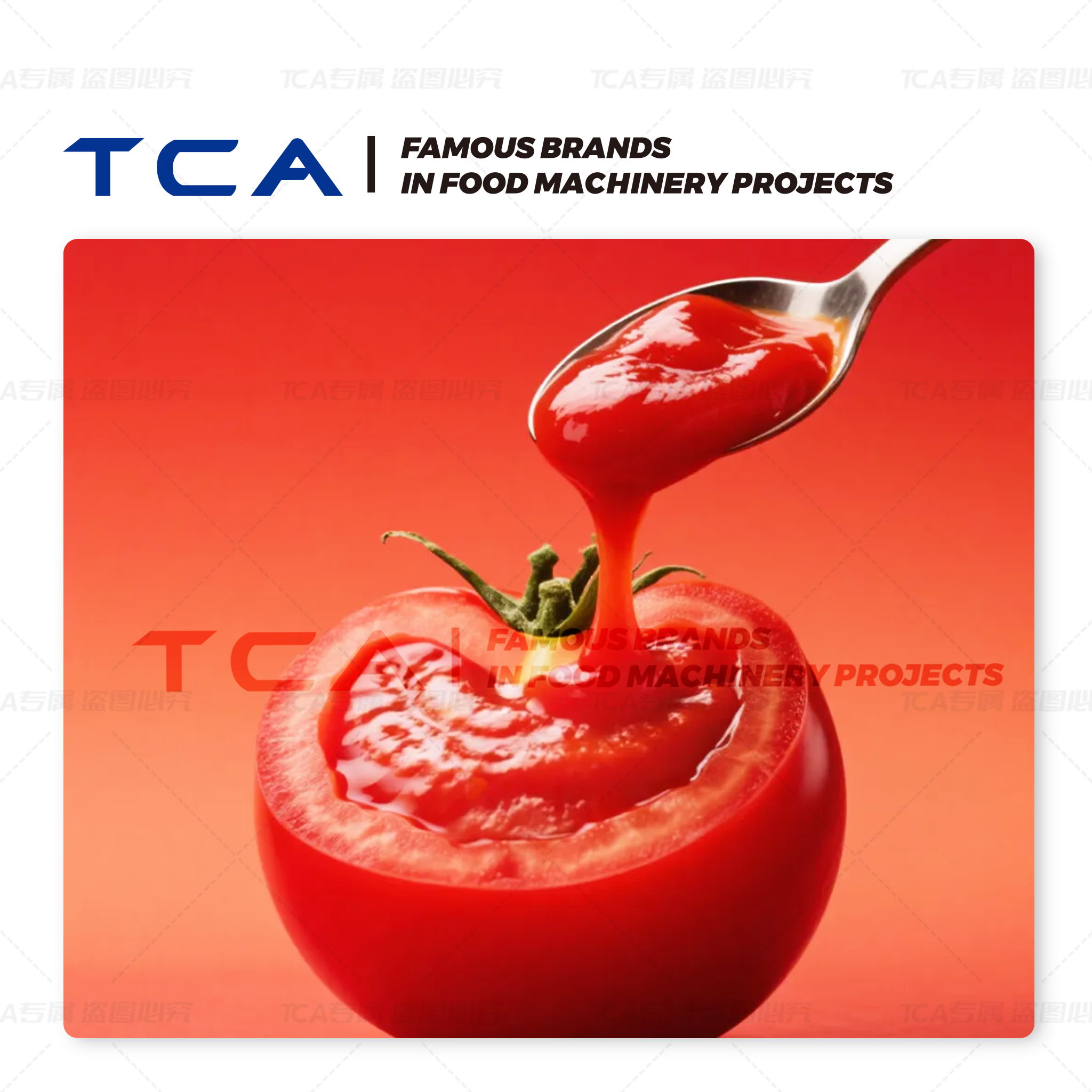
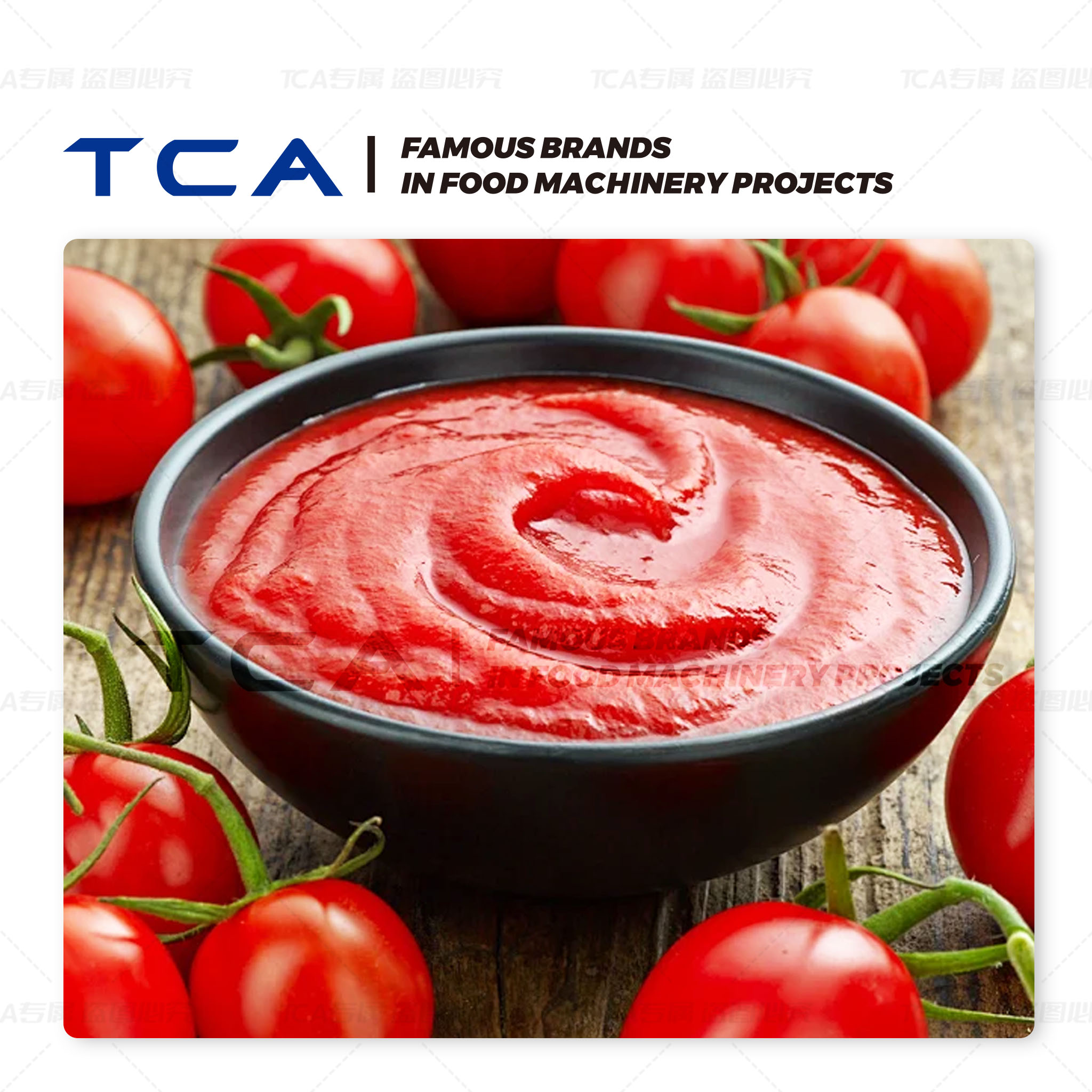
The Tomato Paste Production Line is a complete set of automated equipment specially designed for deep processing of fresh tomatoes, covering the entire process from tomato washing and sorting, crushing & preheating, pulping & seed/skin removal, vacuum concentration, sterilization, aseptic filling to finished product packaging. The production line can produce tomato paste, tomato puree, tomato ketchup, tomato juice and other tomato products (viscosity adjustable). This production line adopts a modular design, integrated with a PLC automatic control system and food‑grade stainless steel materials. It is suitable for tomato processing enterprises, condiment factories, export‑oriented food companies, and tomato paste canning plants. The standard configuration capacity can be designed according to customer requirements, with common specifications ranging from 2 to 20 tons per hour for raw material processing capacity, and 1 to 10 tons per hour for concentrate paste output (based on 28-30% concentration).
产品简介
Tomato paste / tomato puree producers – suitable for producing high, medium and low concentration tomato paste (concentration from 12% to over 36%, typically 28-30%).
Tomato ketchup producers – using tomato paste as a base, blending with sugar, salt, vinegar, spices, etc. to make tomato ketchup.
Tomato juice producers – producing clear or cloudy tomato juice beverages.
Export‑oriented tomato processing enterprises – equipment complies with international food safety standards (FDA, CE, HACCP, BRC) and meets export registration requirements, capable of producing tomato paste meeting EU, US, Russian and other standards.
Tomato receiving → Washing → Sorting → Crushing → Preheating → Two‑stage / three‑stage pulping (seed & skin removal) → Vacuum concentration (multi‑effect evaporation) → Sterilization (UHT) → Aseptic filling (bag‑in‑box / drum) → Finished product
Tomato paste (reconstituted) or use tomato pulp directly → Blending (add sugar, salt, vinegar, spices, etc.) → Homogenization (optional) → Deaeration → Sterilization (UHT or retort) → Hot filling → Sealing → Cooling → Finished product
ProductAdvantages
The tomato paste production line consists of multiple functional modules connected in series. The main systems are as follows:
Includes tomato elevator, bubble washer (or spray washer), sorting conveyor belt (manual or optical color sorter). Removes dirt, pesticide residues, green fruits, rotten fruits and impurities from the tomato surface.
Includes a crushing pump (or hammer crusher) and a preheater (tubular or scraped surface type). Preheating temperature is generally controlled at 85‑95°C. The function is to inactivate enzymes (such as pectinase, polyphenol oxidase), soften the pulp, facilitate subsequent pulping, and increase juice yield.
Uses two‑stage or three‑stage pulping machines (with progressively smaller screen mesh sizes). The first stage removes skin and coarse fiber, the second stage removes seeds and fine fiber, and the third stage (optional) provides further refining. After pulping, a fine tomato pulp is obtained.
Uses a multi‑effect forced circulation evaporator (or falling film evaporator) to evaporate water under vacuum and low temperature conditions, concentrating the tomato pulp to the target concentration (e.g., 28%, 30%, 36%, etc.). Multi‑effect evaporators save steam consumption, typically with three or four effects. Concentration temperature is generally controlled at 60‑70°C (under vacuum) to maximize retention of lycopene, vitamins and flavor.
Includes blending tanks (with agitators) and dosing systems for sugar, salt, vinegar, spices and other ingredients. Used to blend the base tomato paste into tomato ketchup or other seasoned sauces.
Depending on packaging type, options include: tubular/scraped surface ultra‑high temperature instantaneous sterilization (UHT for aseptic filling), retort (for post‑fill in‑can sterilization), or pasteurization (for bottled ketchup). UHT temperature is typically 115‑130°C with a holding time of 5‑30 seconds.
Includes aseptic filling machine (for drums / bag‑in‑box), hot filling machine (for tinplate cans / glass jars / flexible packaging), automatic seamer, capper, labeling machine, and cartoning machine. A CIP system can be configured.
A central CIP station automatically cleans the entire line and pipelines (sequential rinsing with alkali, acid and water) without disassembly, ensuring hygiene and safety.
Centralized control by a PLC with touch screen, monitoring parameters such as temperature, pressure, flow rate, concentration (via inline refractometer), vacuum level. Records production data, and is equipped with fault alarms and safety interlock functions.
High automation, labor saving – From raw material feeding to finished product filling, the entire process is automatically controlled by PLC, greatly reducing manual intervention and operating costs.
Preserves lycopene and nutrients – Low‑temperature vacuum concentration and UHT instantaneous sterilization technology maximize retention of lycopene, vitamin C and natural flavor.
High efficiency and energy saving – Multi‑effect evaporators offer high thermal efficiency with low steam consumption (approximately 0.2‑0.3 tons of steam per ton of water evaporated). CIP water is recycled to reduce wastewater discharge.
Food‑grade material, safe and hygienic – All product contact parts are made of SUS304 or 316L stainless steel (316L recommended for high acidity), mirror polished with no sanitary dead corners. CIP automatic cleaning system meets GMP, HACCP and export standards.
Flexible and customizable – Non‑standard designs can be provided according to tomato variety (high solids or low solids), target concentration (e.g., 28‑30% or higher), capacity scale, and heat source (steam / thermal oil). Laboratory, pilot and industrial large‑scale lines are available.
Stable, durable and easy to maintain – Key pumps, valves and instruments are selected from well‑known brands (e.g., corrosion‑resistant centrifugal pumps, pneumatic control valves). Maintenance access and quick‑opening connections allow easy daily maintenance and cleaning.
Utilization of by‑products – Peels and seeds from the pulping process can be used for animal feed or tomato seed oil extraction, achieving resource utilization.
FrequentlyAskedQuestions
我们为完整的加工线提供长期的售后支持,包括技术咨询、故障排除帮助、备件供应和系统升级建议。提供详细的操作手册和维护指南,确保日常操作顺利进行。
我们的解决方案服务通常包括工艺分析、设备配置、生产线布局图、操作指导和技术支持。根据要求,我们还可以通过在线支持协助安装指导、调试和操作员培训。
我们根据您的工厂布局、加工能力和生产要求提供定制解决方案。我们的工程团队可以协助生产线设计和技术规划。
该设备设计用于处理不同尺寸的土豆。对于切割或去皮等某些工艺,可以提供可调节的设置或尺寸分级解决方案,以确保一致的输出质量。
该机器设计用于加工各种食品原料。根据具体型号,它可以处理规定尺寸和湿度范围内的新鲜、冷藏或冷冻材料。为了获得最佳性能,我们建议在订购前确认原材料规格。
准备好开始一个项目了吗?
如果您对我们的任何产品感兴趣或想定制订单,欢迎随时联系我们。我们期待与您建立成功的商业关系。
相关产品